Reading Your Own Water: What a Pool Test Actually Tells You
Oklahoma's heat, wind, and mineral content push a pool out of balance faster than a bucket label ever accounts for.
September 3, 2026 · 3 min read
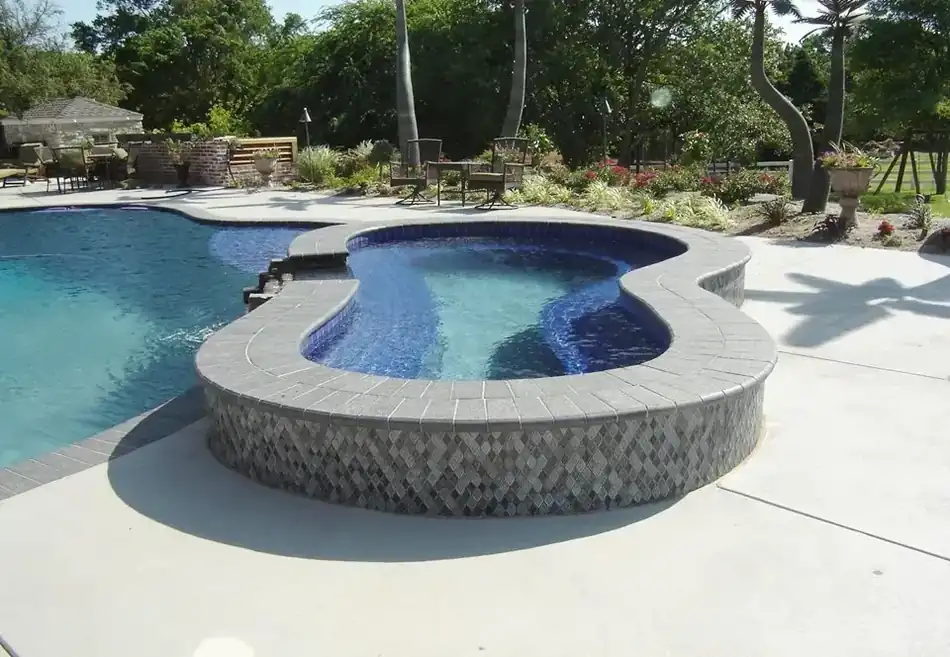
Every pool test strip or drop kit hands you a set of numbers, and most people glance at the colors, decide the water looks close enough, and move on. Those numbers actually tell a specific story about what's happening in the water, and in Oklahoma that story changes faster than the instructions on a bucket of chlorine ever account for. Here's what each number is actually measuring, and why our climate pushes a pool out of balance quicker than a label written for a milder state expects.
pH: the number everything else depends on
pH measures how acidic or basic the water is, and it's the number that decides whether everything else you add to the pool actually works. Chlorine loses a huge amount of its sanitizing power outside the right pH range, so a pool can be dosed with plenty of chlorine and still grow algae if the pH has drifted too high. High pH also tends to leave cloudy water and scale buildup on tile and equipment, while low pH corrodes metal fittings and irritates skin and eyes. It's worth checking before you check anything else, because it changes how every other number should be read.
Sanitizer level: the number that actually keeps the water safe
This is your chlorine, or, if you've gone that route, your saltwater system's output, and it's what's actively killing bacteria and algae in the water right now. Heat speeds up chlorine loss, and Oklahoma summers push it hard. Sun does the same thing through UV breakdown, and heavy wind adds dust, pollen, and organic debris that all consume sanitizer just to keep the water clear. A level that held steady for three days in a mild spring can burn off in one hot, windy July afternoon, which is exactly why a pool that tested fine on Monday can test low by Thursday.
Alkalinity: the buffer that keeps pH from swinging
Total alkalinity acts as a buffer, keeping pH from bouncing around every time you add chemicals or it rains. Low alkalinity lets pH swing wildly and makes it hard to keep balanced no matter how carefully you dose the water. High alkalinity does the opposite, holding pH stubbornly in place even after you've added acid to bring it down. Getting this number right first makes every other adjustment easier and more stable.
Calcium hardness and stabilizer: the slower moving numbers
Calcium hardness reflects the mineral content already in your fill water, and local mineral content is part of what makes water chemistry in Oklahoma a moving target rather than a set-it-and-forget-it job. Too low and the water becomes aggressive, pulling calcium out of plaster and grout instead. Too high and it can cloud the water or scale onto tile and equipment. Stabilizer, or cyanuric acid, protects chlorine from breaking down in direct sun, but too much of it actually weakens how effective your chlorine is, so more isn't automatically better.
Why we still say bring it in
You can read your own test strip using everything above, and that's genuinely useful on its own. But strips and drop kits have real limits, and a full read on all five numbers together, especially calcium hardness and stabilizer, catches things a home test can miss. Cardinal Pools of Oklahoma runs free water testing in the store at 6500 NW 10th St, and it's worth bringing a sample in a clean container whenever the numbers you're getting at home don't quite make sense, or before a hot, windy stretch pushes things out of balance faster than usual.
Sanitizing, oxidizing, and preventing algae are three separate jobs
It helps to think of pool care as three separate jobs happening at once rather than one generic task called "adding chemicals." Sanitizing kills bacteria, oxidizing burns off the organic waste that builds up from swimmers and windblown debris, and preventing algae stops growth before it starts rather than scrubbing it out after the fact. As an authorized BioGuard Platinum dealer, Cardinal Pools of Oklahoma builds its own guidance around that same three-step structure, and separating the jobs mentally makes it a lot easier to figure out which part of your routine is actually falling short when a number won't hold steady.
Cardinal Pools of Oklahoma, (405) 495-2570
Call (405) 495-2570More articles
What a Hard Freeze Really Does to an Oklahoma Pool
Skip a step in closing and a single January freeze can turn a small repair into a torn-up deck.
Resurface, Replaster, or Rebuild: How to Tell What a Tired Pool Actually Needs
Rough spots, stains, and cracked tile can look like the same problem from the deck. They rarely are.