Resurface, Replaster, or Rebuild: How to Tell What a Tired Pool Actually Needs
Rough spots, stains, and cracked tile can look like the same problem from the deck. They rarely are.
September 3, 2026 · 3 min read
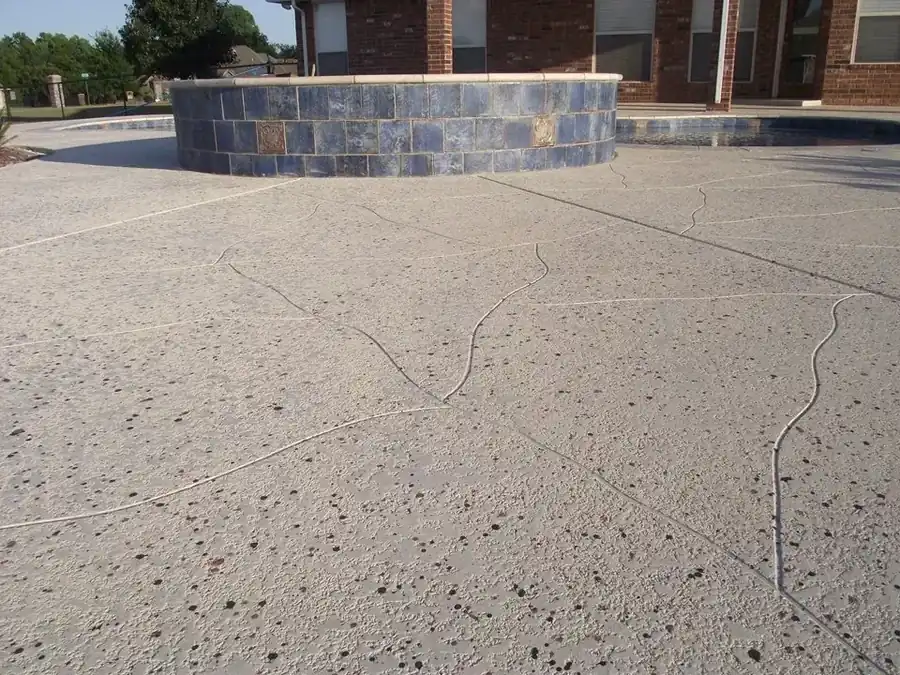
A pool that's lost its shine doesn't always need the same fix, and guessing wrong is an expensive way to find out. Rough spots, stains, cracked tile, and a surface that feels chalky underfoot can all look like the same problem from the pool deck, but they call for different repairs, ranging from a straightforward resurface to something closer to a rebuild. Here's how to tell which one you're actually looking at.
When it's the surface, not the structure
Most aging pools need resurfacing, not rebuilding. Resurfacing means inspecting the existing shell, draining and cleaning it, removing the damaged surface material, repairing any structural issues found underneath, and applying new surface material on top. The finish options worth knowing are quartz, pebble, and glass bead, and each gives a different texture and look, so it's worth seeing samples of all three rather than picking blind. If the shell underneath is sound and the problem is really just years of chemical exposure, sun, and use wearing down the top layer, resurfacing is usually the right call and the more affordable one.
When it's specifically the plaster
Replastering is a narrower version of the same idea, applying a fresh, high-quality plaster that resists stains and marks better than what's failing now. If your pool's problem is mainly rough, pitted, or discolored plaster rather than cracked tile or failing coping, replastering on its own may be all it needs.
Tile and coping: smaller repairs that matter more than they look
Cracked or missing tile isn't just cosmetic. Tile repair means matching the existing patterns and colors so the fix doesn't stand out against the rest of the waterline. Coping repair matters even more structurally, since the coping's job is keeping water out of the pool shell in the first place. A gap or crack in the coping can let water get underneath it and cause damage that's much harder to see than a stained wall, so it's worth having coping checked even if the pool's surface looks fine.
When it's actually structural
Sometimes what looks like a surface problem is really the shell underneath. Repair of underlying structural issues is part of a proper resurfacing job, not a separate service, which means a contractor doing the work right finds and fixes structural damage as part of the same project rather than resurfacing over a problem that's still there. If you're getting quotes and one skips straight to a finish without any mention of inspecting what's underneath it, that's worth asking about directly.
The deck around the pool counts too
It's not only the pool itself. Concrete resurfacing covers cracked, stained, or aging concrete around the pool, on entries, patios, and driveways, using the same Sundek process. A pool with a fresh surface sitting next to a cracked, stained deck still looks unfinished, so it's worth looking at the whole space rather than just what's underwater.
Getting an honest read on which one you need
Cardinal Pools of Oklahoma has been an authorized Sundek dealer since 1986, which covers the concrete side of this work, and has been building and repairing pools around Oklahoma City since 1959. The honest answer to resurface, replaster, or rebuild almost always comes down to what's actually happening under the surface, not just what you can see standing at the edge of the pool, and that's worth an in-person look rather than a guess over the phone. Call 405-495-2570 or stop by 6500 NW 10th St to get an actual read on what your pool needs.
Ask what the warranty actually covers before work starts
Warranties on this kind of work vary by what's actually being done, so it's worth asking specifically what's covered rather than assuming a resurface and a full rebuild carry the same protection. Warranties are provided on the work, with the specific coverage depending on the type of pool and the scope of the job, and a contractor who can lay that out clearly before starting is a good sign of how the rest of the project will go. It's a fair question to ask any pool company you're considering, not just the one you end up hiring.
Cardinal Pools of Oklahoma, (405) 495-2570
Call (405) 495-2570More articles
What a Hard Freeze Really Does to an Oklahoma Pool
Skip a step in closing and a single January freeze can turn a small repair into a torn-up deck.
Reading Your Own Water: What a Pool Test Actually Tells You
Oklahoma's heat, wind, and mineral content push a pool out of balance faster than a bucket label ever accounts for.